The Rural Water & Health Study (RWELL)
Start Year: 2025 | End Year: Ongoing
 Tens of millions of people in the USA live in homes with unregulated private wells, primarily in rural regions. However, our understanding of drinking water contaminants and associated health impacts for individuals living in households with private water supply in rural areas of the USA is highly limited. Our prior studies in Central Appalachia (described below), and studies led by our collaborators, indicate that many lower-income households in rural areas with private wells and spring water have relatively higher exposures to microbiological contaminants in their drinking water. The overarching goal of the RWELL Study is to assess the potential of a household-level water treatment intervention for further expanding safe water access and improving health outcomes and well-being for rural households without utility-supplied water. Funded by the NIH (1R01AI187428), the study is a collaborative effort between researchers at Virginia Tech (VT), East Tennessee State University (ETSU), the University of North Carolina, Chapel Hill, and the University of California, Berkeley. Starting in 2026, teams at VT and ETSU will begin staggered enrollment of households that use well water and spring water in regions of southwest Virginia and northeast Tennessee to conduct a cluster-randomized controlled trial to better understand sources of drinking water used, people’s opinions about their water sources, water use and quality, health issues, and, ultimately, to evaluate hypothesized benefits of point-of-use water filtration. It is hoped that results from this study will also help to increase awareness of the need for improved policies and programs to expand access to safe drinking water for underserved populations in rural Appalachia and other rural areas of the USA and beyond (anticipated study completion by early 2030).
Funding & Support




Drinking Water & Health in Rural Appalachia
Start Year: 2020 | End Year: Ongoing
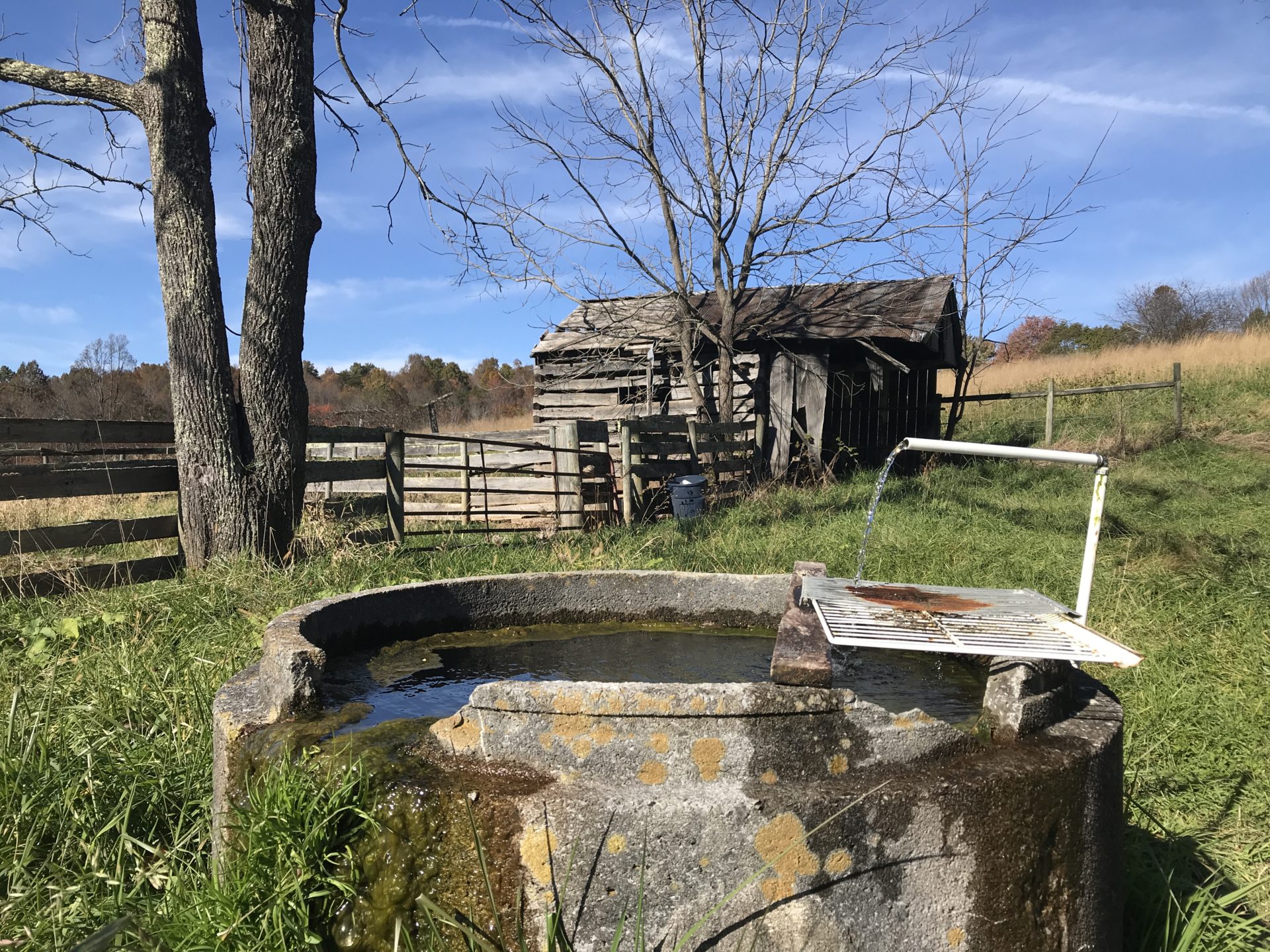 We are working on a number of projects to better understand issues related to drinking water (access, quality, use), sanitation, and reported and measured health outcomes in the Appalachia region, with a focus on children and adults living in Central Appalachia. In 2020, we started a comprehensive systematic review and meta-analysis study to identify and synthesize published research on drinking water contamination and associated health outcomes in the Appalachian region over a 20-year time period. We pre-registered our study protocols, completed data extraction and analysis in 2022, and published our findings in 2023 – the limited number and nature of the studies identified demonstrated that more epidemiologic research is needed to understand exposures to drinking water contaminants in this region. From 2021 to 2023, in collaboration with UVA, ETSU, a regional non-profit, a local utility, and others, we conducted a water-and-health focused cross-sectional study and a prospective cohort study in southwest VA (an important component of these studies is that we also share water testing results with participating households). In 2022, we published findings from the cross-sectional study (a small community of households with private wells), and we published baseline findings from the cohort study (rural households with utility-supplied and private well and spring water in two counties) in 2024. Given the relatively high rates of bottled water use/reliance we observed in rural households, we also conducted a study to analyze the quality of bottled water sold in the region; we published those bottled water findings in 2024. Building on findings from these studies, we conducted two well water and spring water focused studies: a 2024-2025 cross-sectional study in VA, and – in collaboration with ETSU, a regional non-profit, scientists at EPA, and others – we conducted a 2023/24-2025 prospective safe water intervention pilot study in rural regions of VA and TN (and anticipate publishing results in late 2026/2027). These studies and associated findings informed the design of the RWELL Study, described above.
Funding & Support





Wastewater Surveillance & Epidemiology at Multiple Scales
Start Year: 2020 | End Year: Ongoing
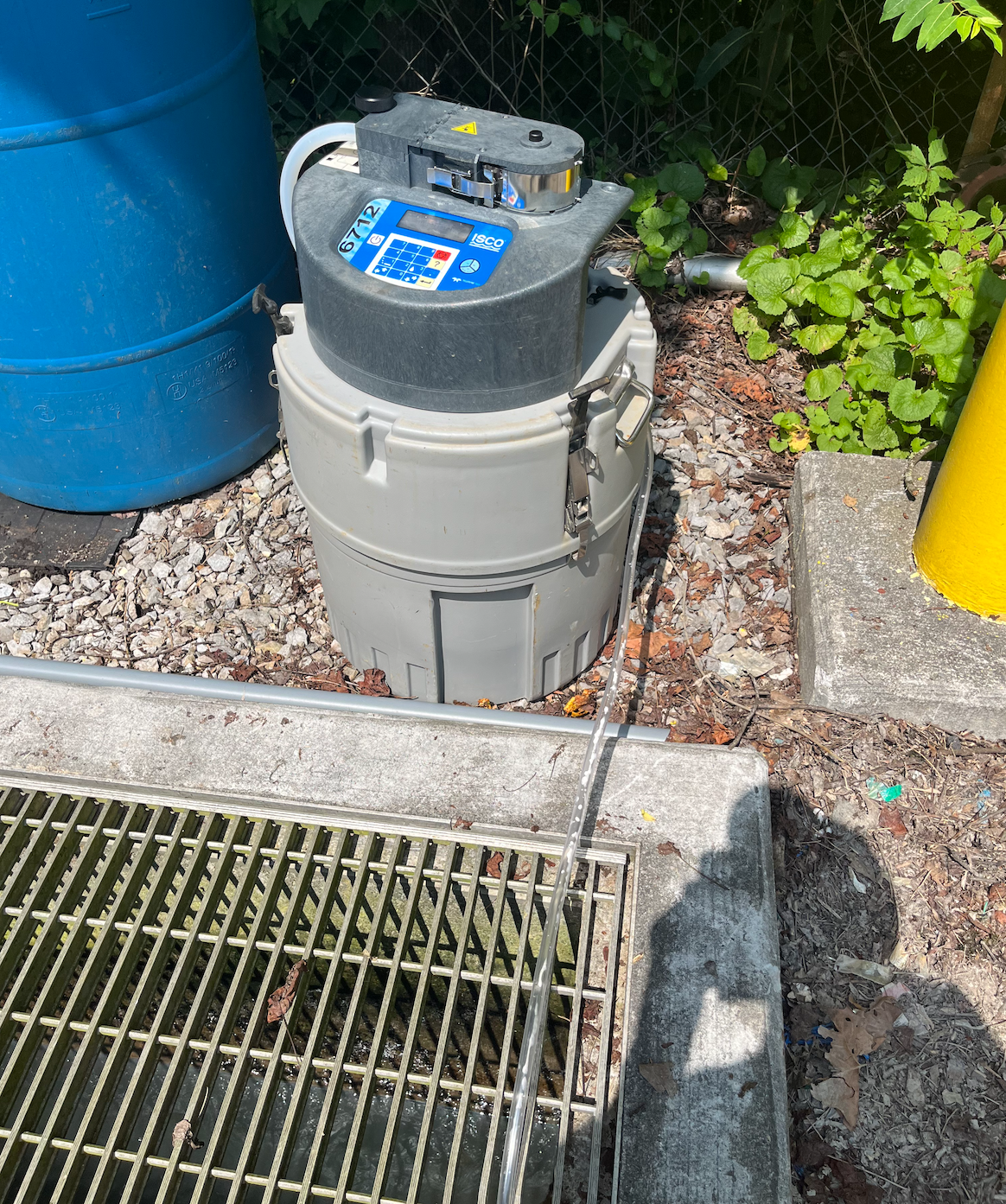
Starting in 2022, we have conducted a number of studies focused on wastewater-based surveillance (WBS) and epidemiology in rural settings, with the overarching goal of developing improved methods and guidelines for the implementation of responsible, reliable, and ethical WBS for rural communities. The foundation of this effort was established in 2020/21, when Dr.s Pruden & Vikesland in Environmental Engineering led an initiative with collaborators across Virginia Tech (and at HRSD) to collect and analyze wastewater samples from different buildings and sites across the university campus with the goal of developing a coronavirus disease-2019 (COVID-19) surveillance program. WBS has been used by many other research groups, as well as wastewater utilities, to monitor SARS-CoV-2 (i.e., the virus that causes COVID-19) trends. Our primary research objective for that study was to evaluate the use of WBS and epidemiologic methods to monitor and predict SARS-CoV-2 virus trends at sub-sewershed scales. Using pre-specified analyses, we showed that the detection of SARS-CoV-2 genes in wastewater samples was associated with statistically significant increases in COVID-19 cases 8 days after sample collection. We published our methods and findings from this research in 2022. In the summer of 2022, our research group – in collaboration with VT faculty members Pruden, Vikesland, Krometis, students in their groups, and Dr. Taniuchi’s group at UVA – initiated a WBS research study in partnership with a utility in southwest Virginia. We started a monthly sub-sewershed sampling campaign (photo is of a composite sampler at the wastewater treatment plant) in a small rural town and then expanded to work with other utilities and communities in the region in collaboration with the Virginia Department of Health and others. We published papers in 2025 describing, among other things, the impacts of inflow and infiltration (I&I) on pathogen detection and an assessment of methods to normalize (adjust) pathogen signals in rural systems impacted by I&I to better reflect population dynamics. As of 2026 we are continuing to work on applied research to improve the use of WBS in rural systems and anticipate future publications in late 2026 and 2027.
Funding & Support


Arsenic in Rural & Carceral Drinking Water Systems
Start Year: 2018 | End Year: 2021
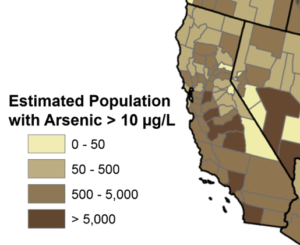
Source: Adapted from www.USGS.gov
In the United States, millions of people lack reliable access to safe drinking water, a problem that is particularly acute in low-income rural areas. California legally recognized the human right to water in 2012, but this right remains unevenly realized. To better understand the status of the human right to water in rural communities, we analyzed 20 years of publicly available drinking water quality monitoring and violation data from 2001-2021, with a focus on arsenic contamination (a carcinogenic heavy metal) from a state prison as well as public water systems in three neighboring rural communities in southern California. We found that all four of these drinking water systems repeatedly exceeded the legal limit for arsenic during the study period, with mean served arsenic levels ranging from 3.4 (SD=6.7) to 9.3 (SD:=2.9) μg/L across the systems (based on 2,426 samples from four systems). In addition to arsenic-specific findings and comparisons across these four sites, our analyses demonstrate how publicly reported annually averaged water quality data (used to monitor system violations and to track progress toward the human right to water) provide only a partial guide to whether the right to safe water is being realized. We published our findings in 2022.
Funding & Support