
Wastewater Surveillance & Epidemiology at Multiple Scales
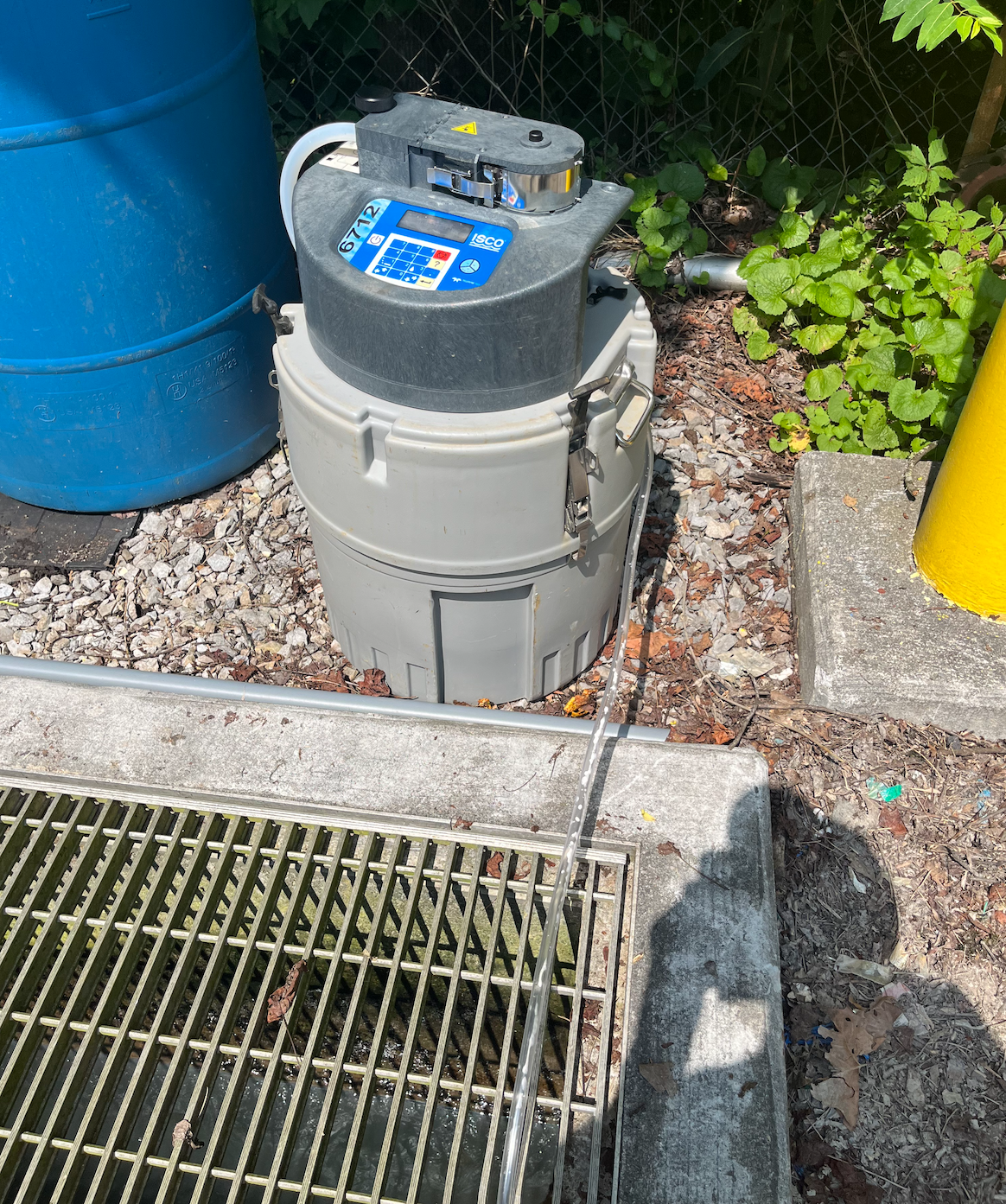
Starting in 2022, we have conducted a number of studies focused on wastewater-based surveillance (WBS) and epidemiology in rural settings, with the overarching goal of developing improved methods and guidelines for the implementation of responsible, reliable, and ethical WBS for rural communities. The foundation of this effort was established in 2020/21, when Dr.s Pruden & Vikesland in Environmental Engineering led an initiative with collaborators across Virginia Tech (and at HRSD) to collect and analyze wastewater samples from different buildings and sites across the university campus with the goal of developing a coronavirus disease-2019 (COVID-19) surveillance program. WBS has been used by many other research groups, as well as wastewater utilities, to monitor SARS-CoV-2 (i.e., the virus that causes COVID-19) trends. Our primary research objective for that study was to evaluate the use of WBS and epidemiologic methods to monitor and predict SARS-CoV-2 virus trends at sub-sewershed scales. Using pre-specified analyses, we showed that the detection of SARS-CoV-2 genes in wastewater samples was associated with statistically significant increases in COVID-19 cases 8 days after sample collection. We published our methods and findings from this research in 2022. In the summer of 2022, our research group – in collaboration with VT faculty members Pruden, Vikesland, Krometis, students in their groups, and Dr. Taniuchi’s group at UVA – initiated a WBS research study in partnership with a utility in southwest Virginia. We started a monthly sub-sewershed sampling campaign (photo is of a composite sampler at the wastewater treatment plant) in a small rural town and then expanded to work with other utilities and communities in the region in collaboration with the Virginia Department of Health and others. We published papers in 2025 describing, among other things, the impacts of inflow and infiltration (I&I) on pathogen detection and an assessment of methods to normalize (adjust) pathogen signals in rural systems impacted by I&I to better reflect population dynamics. As of 2026 we are continuing to work on applied research to improve the use of WBS in rural systems and anticipate future publications in late 2026 and 2027.