Perceptions of poverty: Evaluating Multidimensional Poverty Assessment Tool derived rankings and global development indicators in five African nations
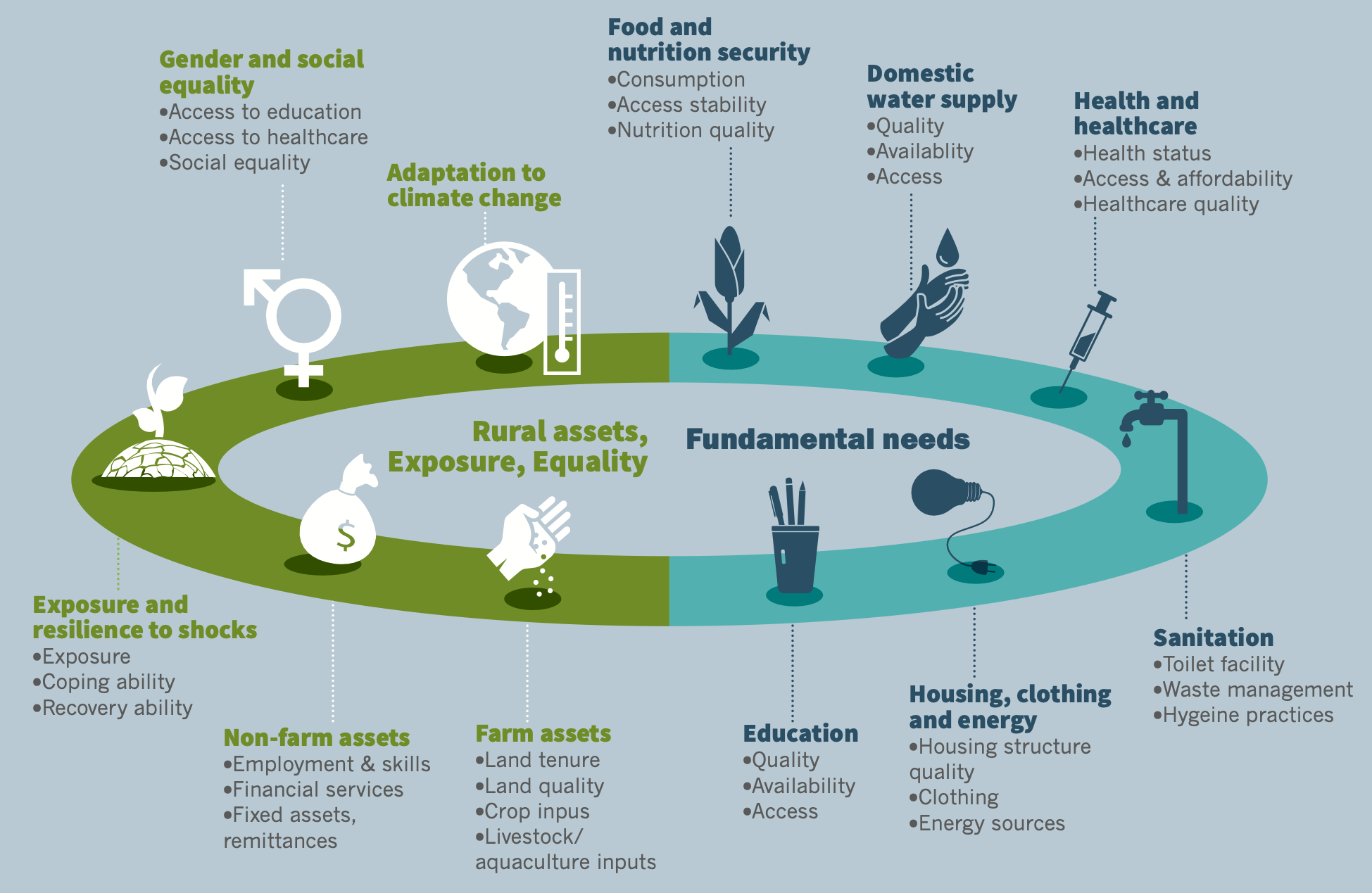
Abstract/Summary: This study assessed an array of indicators for rural poverty assessments and evaluated use of the Multidimensional Poverty Assessment Tool (MPAT) as a proxy for commonly used indicators, such as the Human Development Index, Gross National Income, Global Hunger Index, and the Gender Inequality Index. MPAT data from 5322 rural households across five countries in Africa were analyzed. While MPAT aligned well with development indicators for Kenya, Lesotho, and Tanzania, this was not the case for Eswatini and Zimbabwe. Overall, MPAT-based rankings correlated well with hunger, food security, and gender equality indicators. Our findings highlight the use of MPAT-derived indices as valuable supplements for commonly used development indicators.
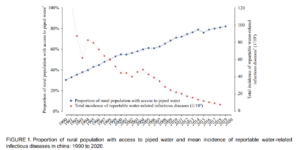 Abstract/Summary: In the 1950s, shortly after the founding of the People’s Republic of China (PRC), the central government created the Patriotic Health Campaign (PHC) in order to standardize and disseminate health focused educational materials intended to control and prevent infectious diseases (1). “Water improvement”, meaning measures aimed at providing safe drinking water for households in China, was an important part of the PHC. After 60 years of water improvement policies, programs, and investments, the rural water supply sanitation and hygiene in China has improved dramatically, and water-related diseases no longer negatively impact the rural population as they once did. In addition to improvements related to the quantity and quality of the rural water supply, water improvement programs also promoted improved hygiene, sanitation, and other health-related behaviors among rural households. Together, such initiatives have improved the quality of life and the health of hundreds of millions of rural residents, while also contributing to economic and social advancement across rural China (2). The purpose of this article is to describe how the PHC served as a foundation for the expansion and improvement of drinking water supply in rural China, and to summarize the key programs, projects, and initiatives that followed over the last 60 years.