
Drinking Water & Health in Rural Appalachia
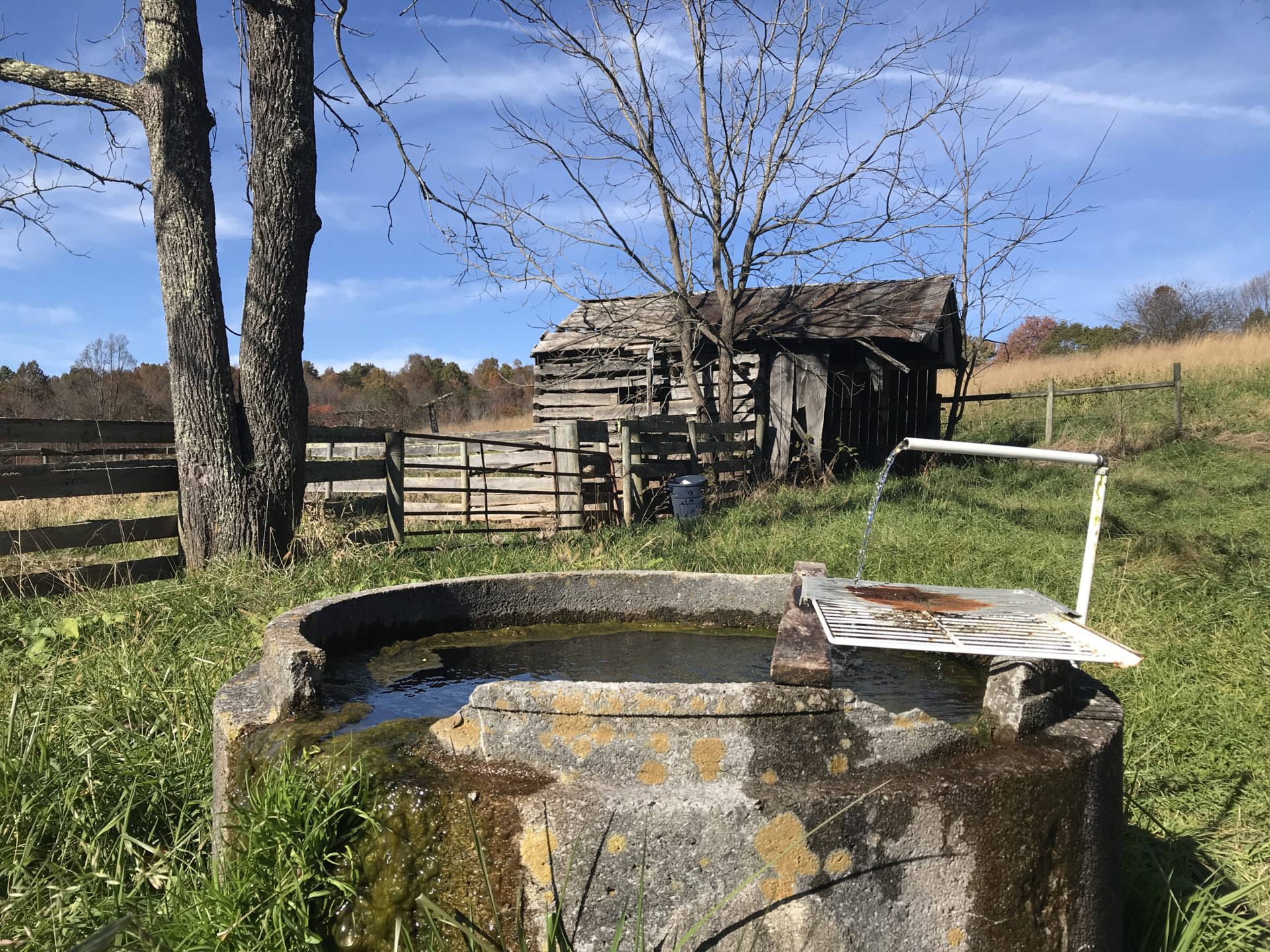 We are working on a number of projects to better understand issues related to drinking water (access, quality, use), sanitation, and reported and measured health outcomes in the Appalachia region, with a focus on children and adults living in Central Appalachia. In 2020, we started a comprehensive systematic review and meta-analysis study to identify and synthesize published research on drinking water contamination and associated health outcomes in the Appalachian region over a 20-year time period. We pre-registered our study protocols, completed data extraction and analysis in 2022, and published our findings in 2023 – the limited number and nature of the studies identified demonstrated that more epidemiologic research is needed to understand exposures to drinking water contaminants in this region. From 2021 to 2023, in collaboration with UVA, ETSU, a regional non-profit, a local utility, and others, we conducted a water-and-health focused cross-sectional study and a prospective cohort study in southwest VA (an important component of these studies is that we also share water testing results with participating households). In 2022, we published findings from the cross-sectional study (a small community of households with private wells), and we published baseline findings from the cohort study (rural households with utility-supplied and private well and spring water in two counties) in 2024. Given the relatively high rates of bottled water use/reliance we observed in rural households, we also conducted a study to analyze the quality of bottled water sold in the region; we published those bottled water findings in 2024. Building on findings from these studies, we conducted two well water and spring water focused studies: a 2024-2025 cross-sectional study in VA, and – in collaboration with ETSU, a regional non-profit, scientists at EPA, and others – we conducted a 2023/24-2025 prospective safe water intervention pilot study in rural regions of VA and TN (and anticipate publishing results in late 2026/2027). These studies and associated findings informed the design of the RWELL Study, described above.